- Home
- Health Benefits of Knitting and Crocheting
Health Benefits of Knitting and Crocheting: A Research-Backed Guide for Well-Being, Creativity, and Brain Health (2025 Update)
by Janice Jones, Last Updated December 5, 2025
Knitting and crocheting may look like quiet, relaxing hobbies, but decades of research now show they are much more than that.
The rhythmic motion of yarn flowing through your hands, the steady creation of stitches, and the satisfying progress of a project combine to create one of the most potent mind–body wellness tools available today.
In recent years, researchers have begun studying fiber arts through the lens of neuroscience, mental health, aging, and rehabilitation. Their findings confirm what knitters and crocheters have always known: these crafts can calm the mind, strengthen the brain, inspire creativity, and help people feel more connected, regardless of age or skill level.
This comprehensive guide brings together the newest science (updated through 2025) with practical insights to show why knitting and crocheting are so beneficial, and how to use them to support our well-being.
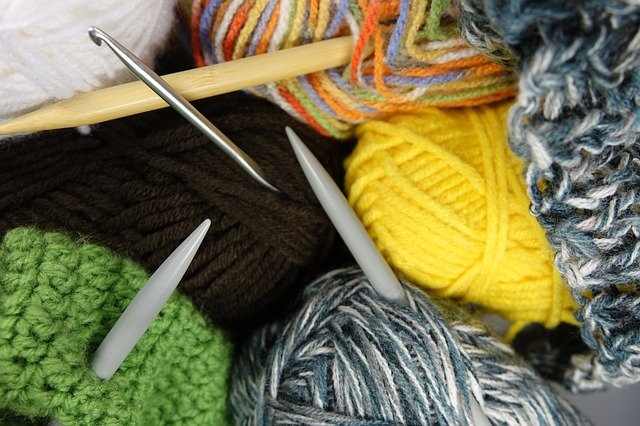 Health Benefits of Knitting and Crocheting
The Science: How Knitting & Crocheting Benefit the Brain
A growing body of research confirms that fiber crafts activate and protect multiple brain systems simultaneously.
Knitting Strengthens Attention and Cognitive Performance
A groundbreaking 2025 Scientific Reports (Nature group) study found that knitting and crocheting can:
- Improve attention and focus
- Enhance spatial awareness
- Support motor skill learning
- Sharpen perceptual sensitivity
Participants who engaged in fiber arts activities showed measurable improvements in cognitive testing that were not observed in control groups.
What this means for you:
Knitting and crocheting aren’t just relaxing; they’re exercise for the brain.
Crocheting improves attention, spatial awareness, and motor-skill learning (2025)
Engaging “Restorative Cognitive Networks” (2025 Neuroscience Review)
A 2025 article in National Geographic highlights new neuroscience showing that tactile, rhythmic hobbies, including knitting, activate brain systems associated with:
- Mental restoration
- Improved memory retrieval
- Reduced cognitive fatigue
- Stronger neural connectivity
- Better emotional regulation
Researchers point to knitting as a form of active mindfulness that gives the brain a break from digital overload while stimulating healthy cognitive pathways.
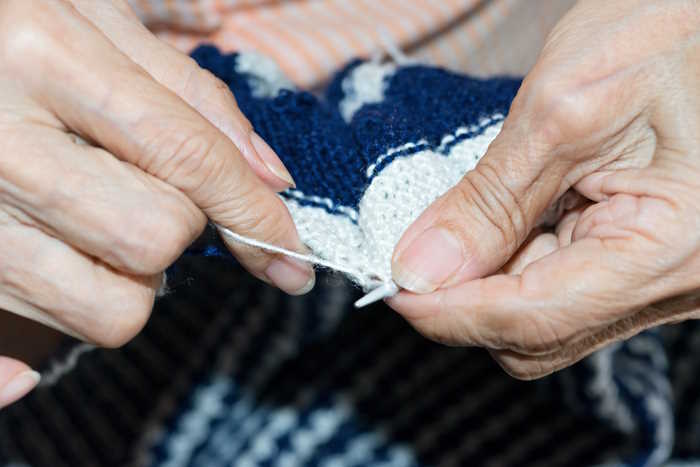
Neuroplasticity & Skill Development
Whenever you learn a new technique—cables, lace, colorwork, Tunisian crochet, new increases or decreases, you are strengthening pathways in:
- The motor cortex
- The cerebellum
- The hippocampus (memory center)
- The prefrontal cortex (planning & sequencing)
Repeating these motions builds procedural memory, the same type of memory used in playing a musical instrument.
This is why learning new stitches creates a sense of accomplishment. Your brain literally rewires itself as you master them. That is why it is essential to challenge yourself to learn new techniques.
Knitting for Neurons: Crafts That Boost Brain Health
Mental and Emotional Health Benefits
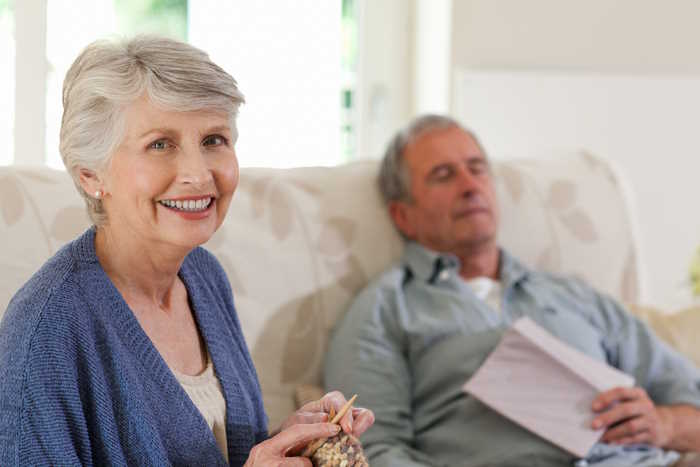
Knitting and crocheting have long been linked to improved emotional wellness. Now, research explains why.
Stress Relief Through Rhythmic, Repetitive Movement: The steady, predictable motion of stitching has a measurable calming effect:
- Heart rate and blood pressure decrease
- Muscle tension drops
- Stress hormone (cortisol) levels stabilize
- Breathing naturally slows
- The brain shifts into a meditative “flow” state
For many people, knitting or crocheting is the first time their body relaxes all day.
Promoting health through yarncraft: Experiences of an online knitting group living with mental illness
2024–2025 Mental Health Review (Taylor & Francis); Provides evidence that knitting/crochet:
- Improve mood
- Support emotional regulation
- Enhance agency, purpose, and connection — all protective against depression
https://www.tandfonline.com/doi/full/10.1080/14427591.2023.2292281
Reduction of Anxiety, Depression, and PTSD Symptoms
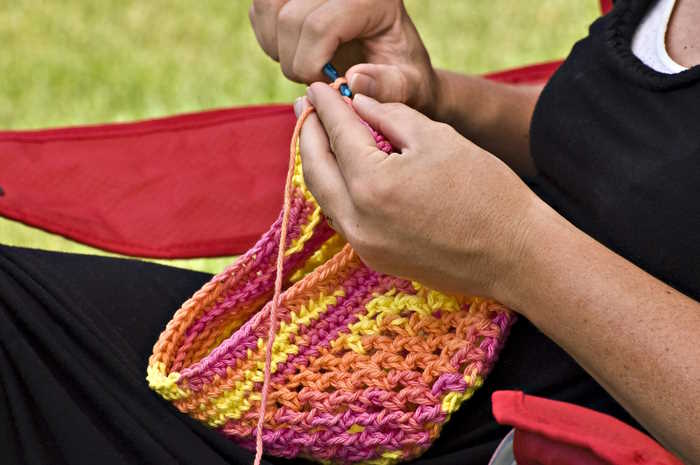
Large surveys and clinical reviews (2023–2025) show that crafting can:
- Reduce anxious rumination
- Improve depressive symptoms
- Increase sense of purpose
- Provide comfort during grief
- Support trauma recovery
Therapists frequently use fiber arts to help clients rebuild a sense of control and emotional safety.
Why it works:
The combination of creativity, structure, and repetition provides a grounding experience that helps stop runaway thoughts.
2024–2025 Mental Health Review (Taylor & Francis)
Provides evidence that knitting/crochet:
- Improve mood
- Support emotional regulation
- Enhance agency, purpose, and connection, all protective against depression
https://www.tandfonline.com/doi/full/10.1080/14427591.2023.2292281
The Reward System: Why Knitting and Crocheting Feels So Satisfying
Each time you complete a row, finish a section, or bind off a project, your brain releases:
- Dopamine (motivation & reward)
- Serotonin (well-being & balance)
This reinforces positive feelings and encourages you to return to your craft again and again. Small, measurable progress is key; your brain loves it.
Social, Emotional, and Community Benefits
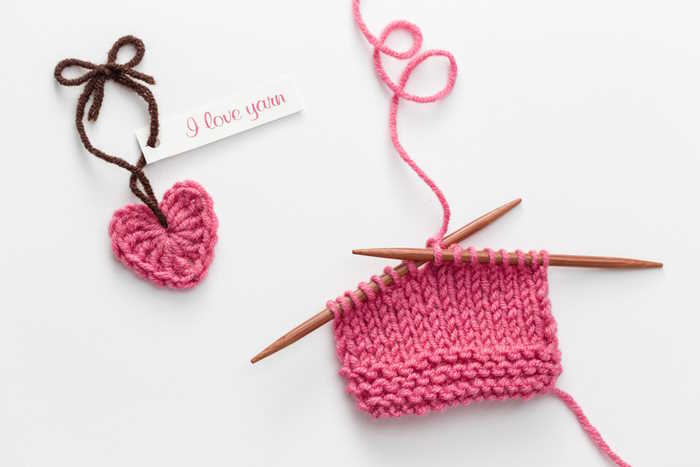
Knitting and crocheting build community in a way few other hobbies can.
- Reduces Loneliness and Creates Meaningful Connections
- Research consistently shows that social crafting groups:
- Reduce loneliness
- Strengthen social bonds
- Improve mental resilience
- Increase life satisfaction
- Offer a multigenerational connection
Whether in person or online, stitching brings people together.
Community Makes You Happier & Healthier
Joining a crafting group has been associated with:
- Improved immune function
- Lower stress
- Greater sense of belonging
- Higher motivation to complete projects
- Emotional support during life challenges
The act of gathering with others, sharing stories, laughter, and creativity may be one of the most powerful benefits of all.
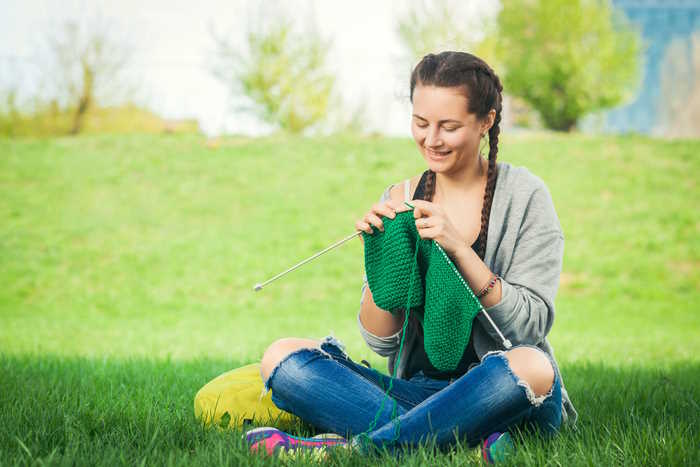
Physical Health Benefits
Even though knitting and crocheting are gentle, research shows real physical benefits.
Fine Motor Skills & Dexterity
Regular stitching strengthens:
- Finger mobility
- Grip stability
- Hand-eye coordination
- Bilateral hand usage
These improvements help children develop motor control and help adults maintain dexterity throughout life.
May Ease Chronic Pain
Studies suggest that the attention required for knitting can reduce the perception of pain by:
- Redirecting brain focus
- Producing relaxation
- Interrupting pain signals
- People with arthritis, fibromyalgia, migraines, and stress-related pain often report improvement.
Helpful for Arthritis (With Gentle Modifications)
Knitting keeps joints moving in a low-impact way that helps:
- Lubricate finger joints
- Reduce stiffness
- Improve circulation
However, pacing, ergonomic needles, and frequent breaks are essential. And, as with any exercise regimen, overdoing it is not recommended.
Benefits by Age Group
For Children
- Builds fine motor control
- Improves focus & patience
- Strengthens pattern recognition
- Boosts self-esteem through creativity
For Adults
- Relieves stress
- Provides mindful escape from digital overload
- Offers creative fulfillment
- Builds confidence through mastery of new skills
For Older Adults
- Supports cognitive resilience
- Encourages social interaction
- Helps maintain dexterity
- May reduce the risk of cognitive decline when practiced regularly
Why Knitting and Crocheting Feel Different
(Both Are Good for You)
Crochet and knitting activate many of the same brain and emotional pathways, but each has unique strengths.
Knitting
- Encourages sustained rhythm
- Often induces flow state
- Great for meditative repetition
- Ideal for cognitive benefits involving pattern sequencing
Crocheting
- More “one-stitch-at-a-time” focus
- Excellent for stress relief
- Very empowering for beginners
- Builds confidence quickly with fast progress
Both offer:
- Mindfulness
- Creativity
- Accomplishment
- Brain stimulation
- Emotional comfort
- Community
The best choice is always the one that feels good in your hands.
How to Use Knitting & Crochet for Better Health
Here are simple ways to maximize the benefits:
- Stitch for 15 minutes a day: Even small sessions activate calming neural pathways.
- Choose projects based on mood
- Stressed? Pick something repetitive.
- Foggy or bored? Try a new technique to wake up your brain.
3. Join a community, either online or in person: Connection amplifies every health benefit.
4. Use comfortable, ergonomic tools: They reduce strain and increase enjoyment.
5. Remember: The Process is greater than perfection: The value is in the making, not the outcome.
Could Knitting Improve our Mental Health?
Does knitting help your brain?
Does knitting help your brain?
Yes. Studies from 2024–2025 show improvements in attention, spatial awareness, memory systems, and motor learning.
- Improved attention
- Enhanced spatial awareness
- Better motor-skill learning & perceptual sensitivity
https://www.nature.com/articles/s41598-025-88777-9
Does crochet reduce anxiety?
Does crochet reduce anxiety?
Absolutely. A 2024–2025 Review of crafts for mental health (Taylor & Francis) shows that knitting/crochet:
- Reduces anxiety
- Improves emotional regulation
- Provides grounding and stress relief
Is knitting good for seniors?
Is knitting good for seniors?
A 2025 National Geographic Neuroscience Report covers how tactile, rhythmic activities (including knitting) support:
- Healthy aging
- Memory pathways
- Cognitive restoration
- Mental stamina
Link:
https://www.nationalgeographic.com/health/article/grannycore-knitting-hobbies-brain-health
Can knitting help with depression?
Can knitting help with depression?
It does not replace medical treatment, but research shows consistent crafting improves mood, motivation, and emotional resilience.
In the 2024–2025 Mental Health Review (Taylor & Francis)
Provides evidence that knitting/crochet:
- Improve mood
- Support emotional regulation
- Enhance agency, purpose, and connection — all protective against depression
- https://www.tandfonline.com/doi/full/10.1080/14427591.2023.2292281
Organizations That Promote the Health Benefits of Knitting and Crocheting
Stitch Links is a nonprofit organization that aims to unite therapeutic knitters, support research on the craft's health effects, and serve as a resource for clinicians and other professionals interested in implementing therapeutic knitting.
It would seem that through their research, people have reported that knitting positively impacts their well-being. Furthermore, the ability to knit gave people an added boost to their self-esteem because they could use their hobby to provide gifts to people or charities.
It seems our brains cannot concentrate on two different things simultaneously. So, if you are knitting, your brain can't interpret your pain signals.
Health Benefits of Knitting and Crocheting: Pin for Future Reference

Last thoughts about the health benefits of knitting and crocheting
Knitting and crocheting are far more than creative pastimes—they are scientifically supported tools for mental wellness, cognitive strength, emotional resilience, physical comfort, and community connection.
Whether you pick up your needles for five minutes or an entire evening, you are giving your brain and body something profoundly beneficial.
With every stitch, you build not only fabric…but health, joy, focus, and a calmer mind.
Disclosure:
This post contains affiliate links. If you buy through them, I may earn a small commission at no extra cost to you.

Janice Jones is a Certified Knitting and Crochet Instructor who creates beginner-friendly patterns and tutorials, backed by a 389-page library of practical knitting and crochet content.
Most Popular Pages
Comprehensive Guide to Yarn

All Types of Crochet Stitches
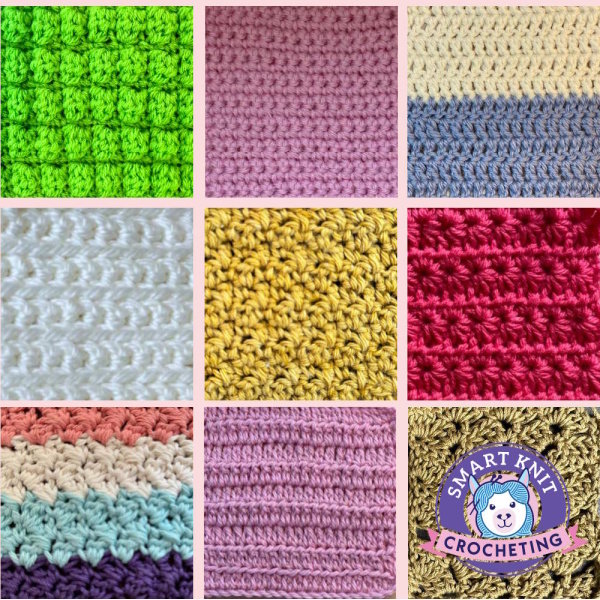
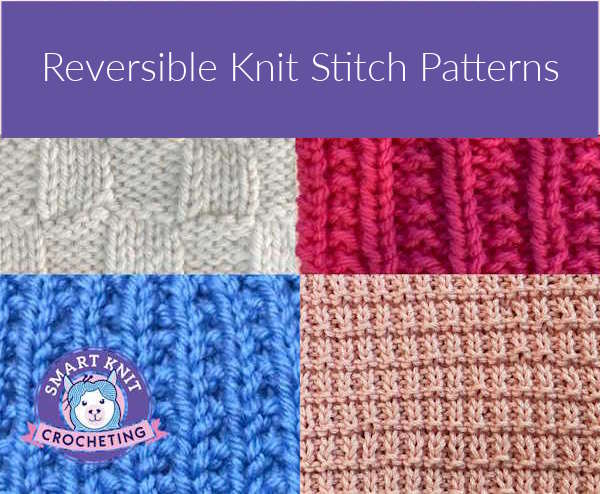
36 Reversible Knit Stitch Glossary
How to Crochet the Second Row
Dog Sweater Patterns
Working with Alpaca Yarn
Free eBooks, Just for You
Get my beginner eBook guides to Knitting and Crocheting, just for signing up for my monthly newsletter.
Choose one or both when you sign up.
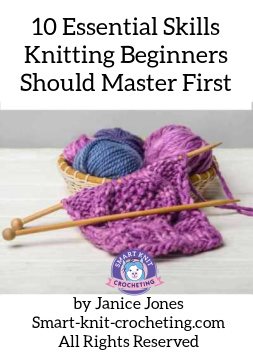
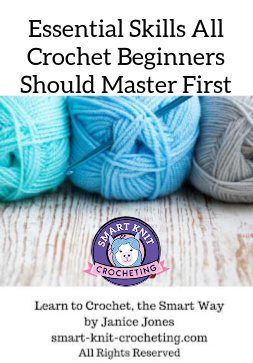
About the Author: Please allow me to introduce myself
Janice Jones is a Certified Knitting Instructor and Certified Crochet Instructor through the Craft Yarn Council who focuses on beginner-friendly patterns, stitch guides, and technique tutorials. She has built a library of 389 pages on her website, sharing practical instructions and patterns, and has completed projects ranging from crochet blankets to knit sweaters. You can explore her work on her website. She makes items for Warm Up America and often knits and crochets sweaters for her small dogs.
Thank you for visiting Smart-Knit-Crocheting. I hope this and all of my tutorials will give you the inspiration to continue your knit or crochet journey. For a complete list of all the pages on my site, please visit my table of contents.
I participate in the Amazon Services LLC Associates Program, an affiliate advertising program designed to provide a means for sites to earn advertising fees by advertising and linking to Amazon.com. “As an Amazon Associate I earn from qualifying purchases.” These earnings go towards supporting my website.
Home | Contact | About | Privacy Policy | Disclaimer
I DO NOT SELL ANY PERSONAL INFORMATION FROM THIS WEBSITE. PLEASE SEE MY PRIVACY POLICY FOR MORE DETAILS.
Copyright © 2006-2026 Smart Knit Crocheting. All Rights Reserved
Please Share
Remember, Sharing is Caring